
People will often have opinions of us based on their understanding, and not necessarily their experiences with us. They watch from a distance and they see this action or that one and they assume that they can put the pieces together based on what they saw. Through our natural skepticism and our often high opinion of our own ability to always be right, we never even consider the idea that a little more investigation and a few more facts might paint the full picture and change our view.
We’re so convinced of our own intellect, that if we find something that contradicts us, we assume right away that the fix is in and a conspiracy is at hand. This is where we find ourselves in this nation today. Many of us offer commentary based on misinformation, the opinions of others, optics, or simply from a place of ignorance.
Over the last week or so, we’ve seen people make a lot of statements and assumptions about cognitive decline and dementia. What I’ve noticed is that many people literally have no idea what they’re talking about or even the difference between the two. While cognitive decline can be a sign of coming dementia, it doesn’t always mean that dementia is coming. Sometimes, people are just getting older.
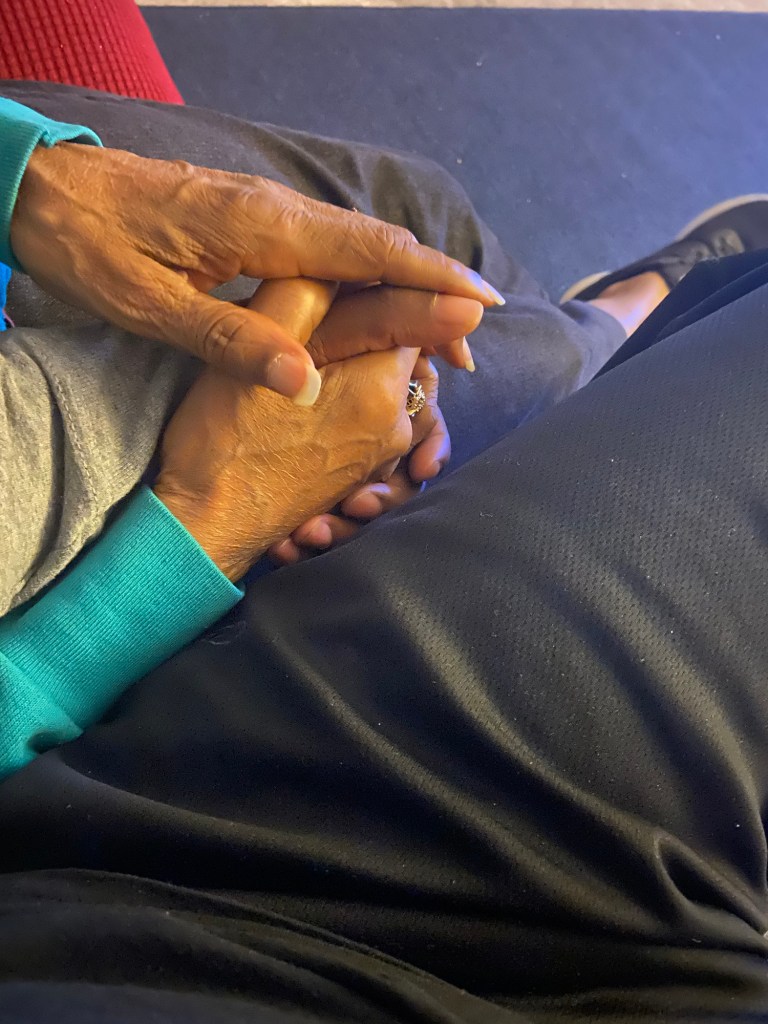
If you’ve ever cared for someone one on one as I have that had dementia, you would be offended by people that referred to someone that wasn’t always as sharp as they once were as having dementia. And when I speak of caring for a dementia patient, I mean really caring for them. Not knowing their condition, and not knowing someone that you suspect is suffering from such an insufferable condition. I mean really cared for them, 24/7. If you’ve been on the front line, you know what dementia really looks like.
The ignorance going forward these days is staggering and unfortunate. Based on the opinions out there, I’m not surprised that we put (throw) family members away at the first inkling of decline. Many don’t have patience for the elderly. All of this uninformed commentary is shameful in this country, but not surprising. It’s where the former administration dragged us to, and we’re now wallowing in misinformation and insults.
The reality is if you’re of a certain age, you are already experiencing some sort of cognitive decline. If the Lord lets me live, I’ll be proudly 55 years old at the end of this month. My mind is sharp, but I’d be lying if I said I never lose my train of thought at times. I’d be lying if I said I never forget things and don’t need to keep notes to remind me. I’d be lying if I said that on occasion, I run into people and remember the face, but not the name. Does that mean that I will suffer one day from dementia? No. That means I’m getting older.
At the same time, given some time, my train of thought comes back. If someone reminds me of the name associated with the face, I remember immediately. Given a moment, things clear up. While I may not be as sharp as I once was, I’m still very much here.
Conversely, those with dementia are in an alternate reality. Try as you might, you can’t just drop a name or a fact on them and they automatically reset. Sometimes, it takes hours. Sometimes it takes days. Sometimes they turn a corner, never to return to our reality. They just settle into their own world and we are the ones that have to adjust. And we don’t even have time to get into “sundowning”.
Sometimes they forget your name and give you a new one altogether. One that suits their reality, not yours. One that makes them comfortable, no matter how uncomfortable it makes you. For this reason, we should be careful of how we use cognitive decline and dementia as though they are interchangeable or the same thing. It’s irresponsible and disrespectful to those we’re speaking of, and to those that may hear our often ill informed opinions.
In John 7:24 (NLT), Jesus warns us: “Look beneath the surface so you can judge correctly”. What Jesus is stressing here is fact gathering. He’s stressing investigation. He stressing that we don’t lean to our understanding without understanding what we’re judging. He’s stressing that we don’t draw conclusions based on what we saw, as opposed to what we’ve learned through experience or investigation.
My first hand, front line experience with dementia has forever shaped how I view elder care. Even though I had witnessed it up close before with my grandmother and my aunt and the care my mother gave them, it was an entirely different experience having to be my mother’s primary caregiver when it attacked her. I knew a lot from watching my mom be a caregiver, but what I gained through experience was much greater than what I thought I knew. I wish all my mother had was cognitive decline and bouts of forgetfulness.
While we have a high opinion of our opinions, we need to remember that they are in fact opinions and not facts. How we feel can govern our individual selves, but society as a whole should function on facts.
I would also caution us on how we devalue people that aren’t as sharp as they once were, as though they have nothing else to offer. We must remember that past their prime doesn’t mean past their usefulness. We can’t be so quick to abandon those with history and wisdom.
I know many a seasoned preacher, many of whom speak slower than they used to and take longer to form their thoughts, but they’re still a well of knowledge. Many churches are struggling because some younger preachers and pastors haven’t drawn from those wells. Even in the midst of dementia, my mother would still speak words of wisdom. I know because I didn’t abandon her when she wasn’t what she once was. I was sitting right next to her.
 KRJMinistries.org